
Refrigerator Buying Guide
This guide covers refrigerator types, from basic top-freezers to luxury four-door models, with a quick history and explanation of how refrigerators work. If you have any questions at all, please contact me.
History
1000 BC – 1800s: The Era of Natural Ice
Ancient civilizations harvest ice from lakes. By the 19th century, households use iceboxes—insulated wooden cabinets cooled by manually delivered blocks of ice.
1748: The First Spark
William Cullen demonstrates artificial cooling by evaporating liquids in a vacuum, proving the science is possible.
1834: The First Machine
Jacob Perkins builds the first functional vapor-compression system, the blueprint for modern cooling.
1850s – 1870s: Industrial Adoption
Mechanical refrigeration is used commercially for the first time in breweries and meatpacking plants to keep large inventories fresh.
1913: Moving into the Home
Fred W. Wolf invents the DOMELRE, the first electric refrigerator designed for domestic use.
1927: Mass Production
General Electric releases the “Monitor-Top,” the first widely popular home refrigerator. It becomes a status symbol of the modern kitchen.
1930s: Safety Shift
Toxic gases like ammonia are replaced by Freon, a safer (though later found to be environmentally harmful) refrigerant that makes home units more practical.
1940s – 1950s: Modern Standard
By the end of WWII, refrigerators are in nearly every American home. Features like automatic defrost and built-in freezers emerge.
1954: The End of Frost – Amana introduces the first self-defrosting refrigerator, ending the messy chore of manual defrosting.
Late 1950s: Mid-Century Style – Refrigerators become style icons. The “all-white” look is replaced by pastel colors like pink and turquoise, and sleek, “built-in” looks begin to emerge.
1970s: The Efficiency Push – Following the energy crisis, manufacturers focus on thick-wall insulation and better door seals to cut electricity costs.
1980s: In-Door Convenience – The integrated ice and water dispenser moves from a luxury add-on to a standard mass-market feature on side-by-side models.
1990s: Environmental Clean-up – The industry phases out CFCs (which damaged the ozone layer) and shifts to more eco-friendly refrigerants.
1996: Energy Star – The EPA begins labeling units for energy efficiency, driving a massive reduction in household power consumption.
Early 2000s: The French Door Era – The French door layout becomes the most popular premium configuration, often paired with the now-standard stainless steel finish.
2010s: Smart Tech Arrives – Digital screens, internal cameras, and Wi-Fi connectivity are introduced, allowing users to check their groceries from their phones.
2020s: Precise Cooling – Modern units use inverter compressors and dual-evaporator systems to maintain exact temperatures and humidity levels, keeping food fresh for much longer.
How Refrigerators Work
Refrigerators don’t actually “create cold.” Instead, they work by removing heat from the inside and dumping it outside. This process relies on the physics of evaporation and the behavior of a specialized fluid called refrigerant.
The Cooling Cycle
- Evaporation (The Cooling Phase): The cycle begins in the evaporator coils located inside the fridge. As the liquid refrigerant flows through these coils, it absorbs heat from the food and air. This heat causes the refrigerant to boil and turn into a low-pressure gas.
- Compression (The Heartbeat): The compressor, located at the bottom or back of the unit, sucks in that low-pressure gas and squeezes it. This dramatically increases the gas’s pressure and temperature, turning it into a hot, high-pressure vapor.
- Condensation (The Heat Dump): This hot gas then travels through the condenser coils (usually on the back or bottom exterior). As the heat radiates into the room, the gas cools down and turns back into a high-pressure liquid.
- Expansion (The Reset): Before returning to the fridge, the liquid passes through an expansion valve. This tiny opening causes the pressure to drop suddenly, making the refrigerant extremely cold and ready to enter the evaporator coils to start the cycle again.
By constantly cycling this fluid between gas and liquid states, the refrigerator acts as a heat pump. The thermostat monitors the internal temperature, signaling the compressor to kick on whenever things get too warm, ensuring your food stays at a safe, consistent temperature.
Types of Refrigerators
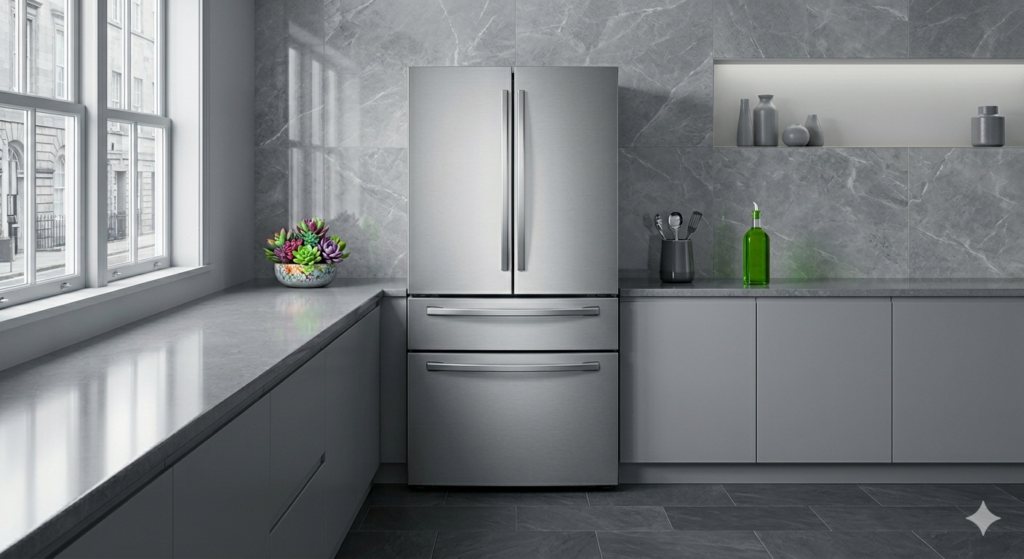
Four (or More) Door French Door Refrigerator- Four-door french door fridges with a middle drawer are fantastic buys for busy kitchens. That extra exterior drawer gives you instant access to snacks, deli items, or drinks without opening the main doors. Many brands let you adjust the drawer’s temperature from wine chilling to soft freezing. They look super modern, boost energy efficiency by locking in cold air, and keep your everyday ingredients perfectly organized and right at your fingertips.
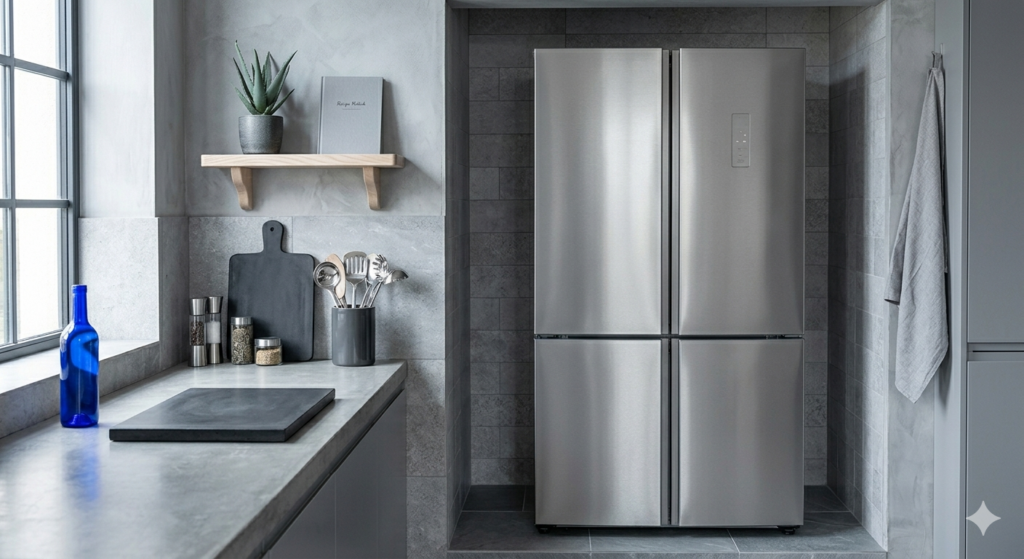
Four Panel Door Refrigerator- Four-door fridges are awesome buys because they give you tons of flexibility. With a French-door top and two lower zones, you can easily switch compartments between fridge and freezer modes. They keep your food super organized, look sleek, and save energy since you only open one small door at a time. Plus, they usually pack cool features like dual ice makers and hidden water pitchers.
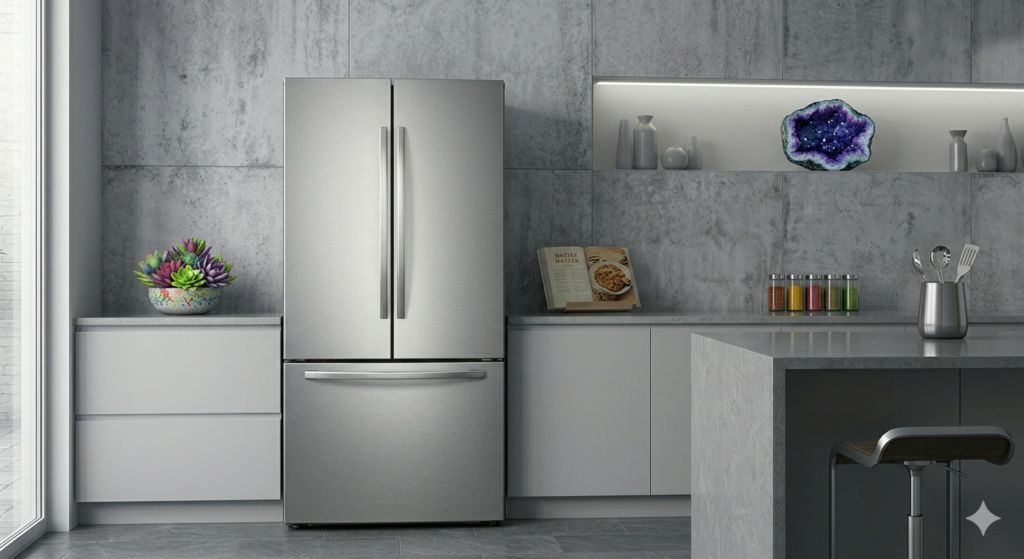
3 Door French Door Refrigerator- Three-door French door fridges are classic, reliable buys that maximize your storage space. With two doors on top and one massive freezer drawer below, they easily fit wide platters, pizza boxes, and bulky frozen items. Because they have fewer dividers than four-door models, you get the most continuous shelf space for your money. They look incredibly sleek, cost less than multi-door options, and keep all your fresh food right at eye level.
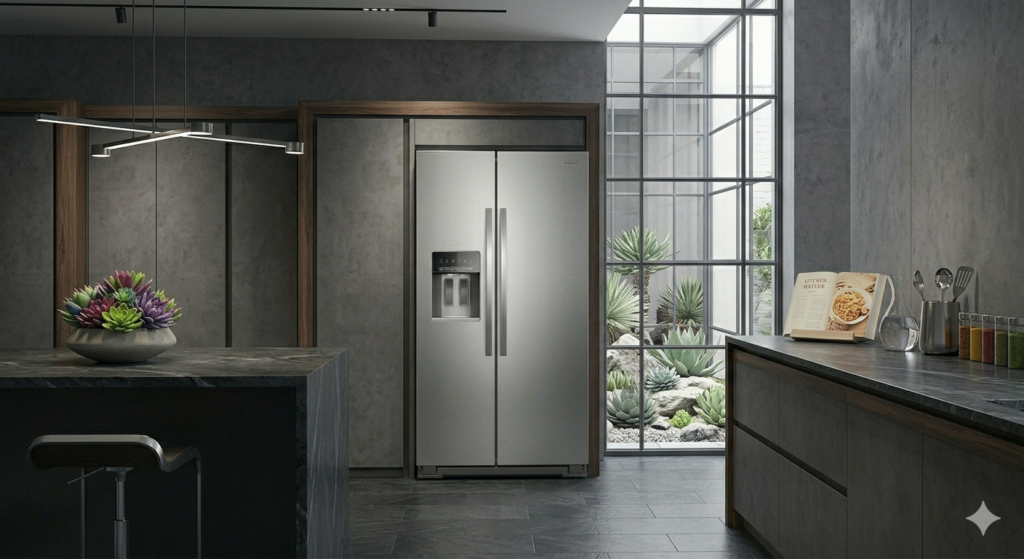
Side by Side Refrigerator- Side-by-side refrigerators split the fridge and freezer vertically from top to bottom. They are awesome buys if you have a narrow kitchen, since the slim doors need very little clearance to swing open. They keep both fresh and frozen foods right at eye level, so you never have to bend down for ice cream or veggies. Plus, they offer the most freezer shelf space and usually come with the lowest price tag.
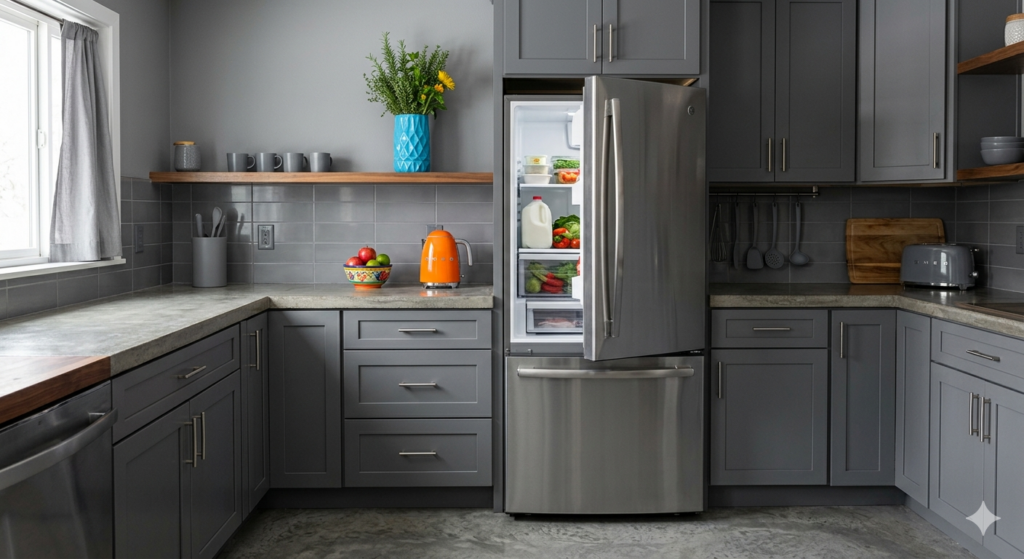
Bottom Freezer Refrigerator- Bottom freezer refrigerators place a single fresh food compartment at eye level and one large freezer drawer below. They are smart, budget-friendly buys that keep your daily groceries easy to reach without forcing you to bend down. Since the compressor sits beneath the unit, they operate very efficiently and quietly. They provide a clean, minimalist look, offer wide shelves for large platters, and give you premium French-door ergonomics at a much lower price point.
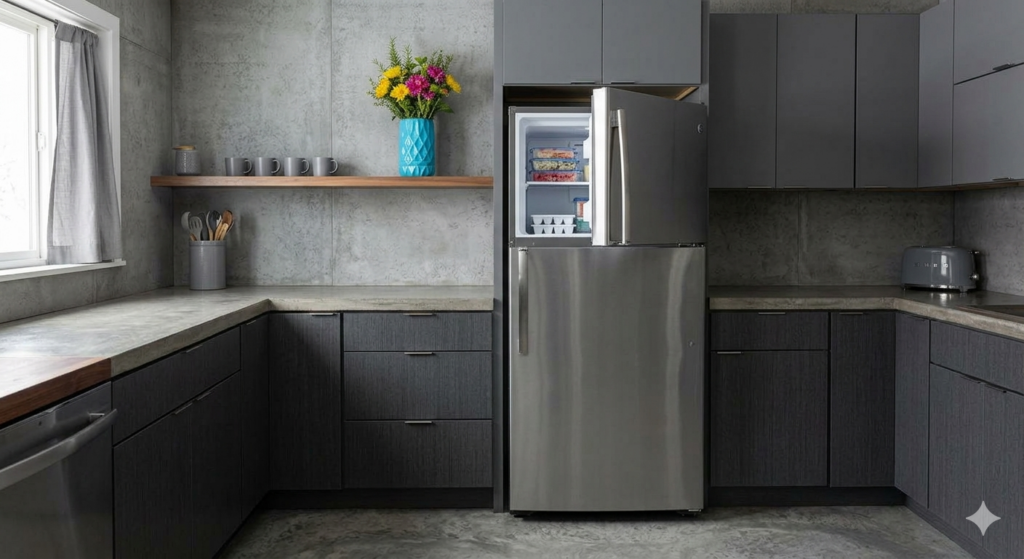
Top Freezer Refrigerator- Top freezer refrigerators feature the freezer compartment on top and the fresh food section below. They are the ultimate budget-friendly buys, offering the lowest purchase price and cheapest repair costs on the market. Because their compressors sit away from the freezer, they are incredibly energy-efficient and reliable. They pack maximum storage into a compact footprint, making them perfect for apartments, garages, or anyone wanting straightforward, classic food preservation without paying for extra bells and whistles
Refrigerator Sizes
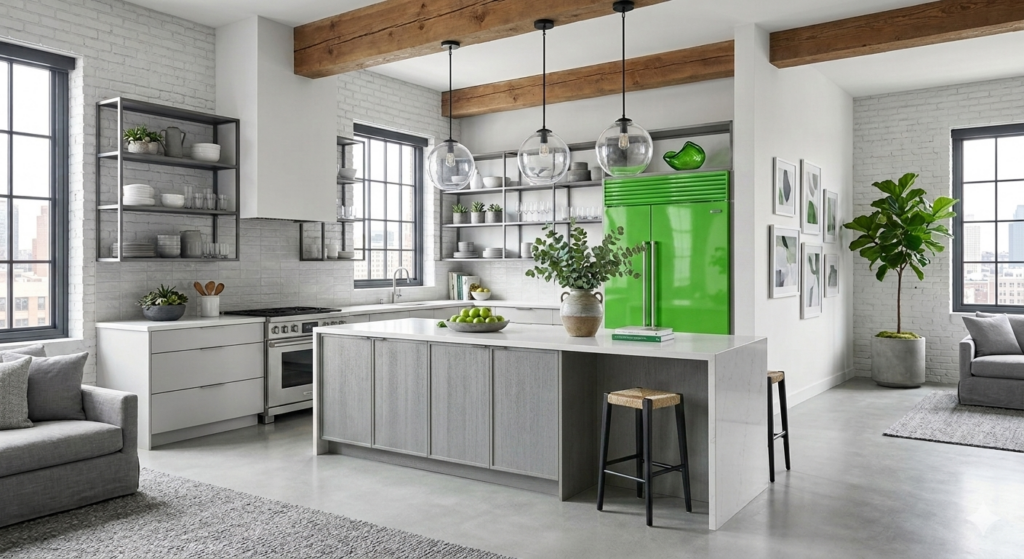
| Width | 28″, 30″, 33″, 36″. 36″ is the most common. |
| Counter Depth | Refrigerator only extends from the wall to the counters. The doors are the only part in front of the counters |
| Standard Depth | Refrigerator extends past the counter by a few inches. |
| Standard Height | 65-72 inches. |
| Clearance needed | 1/2 inch on the sides. 2-3 inches clearance in back. |
Built in refrigerators are often larger than the measurements above.
Refrigerator Features
Entry Level Refrigerators
| Feature | Description |
|---|---|
| Deep Door Bins | Gallon-Plus door storage bins that free up main shelf space for larger items. |
| Spill-Proof Glass Shelves | Shelves with raised edges or hydrophobic coatings that contain liquid messes to a single shelf. |
| Vacation Mode | An energy-saving setting that powers down the refrigerator compartment while keeping the freezer running. |
Middle Class Refrigerators
| Feature | Description |
|---|---|
| Dual Evaporators | Independent cooling loops that keep freezer air dry and fridge air humid to prevent freezer burn and odor crossover. |
| Linear/Inverter Compressors | Compressors that gradually ramp power up and down to minimize temperature swings, lower noise, and extend appliance lifespan. |
| Internal/External Water & Ice | Offers high daily convenience with precise Measured Fill options to dispense exact amounts for cooking. |
| Humidity-Controlled Crisper Drawers | Bins with adjustable airflow toggles that stop leafy greens from wilting and fruits from rotting. |
| Full-Width Pantry Drawer | A wide, shallow drawer ideal for large party platters, deli meats, and cheeses that do not fit on standard shelves. |
| Adjustable/Slide-Away Shelving | Shelves that tuck away or slide back to easily fit tall wine bottles or tiered cakes. |
| Air Filtration Systems | Built-in carbon filters that scrub ethylene gas and pungent odors to keep food fresh. |
| Counter-Depth Design | Sits flush with standard cabinets to improve kitchen workflow and prevent a bulky layout. |
Affordable Luxury
| Feature | Description |
|---|---|
| Metal Back Cooling | Stainless steel interior walls that retain cold better than plastic to quickly restore temperatures after opening doors. |
| Multi-Zone/Flex Drawers | Drawers that convert from freezer to wine chiller or soft-freeze with the press of a button. |
| Soft-Close Drawers | Premium cabinet glides that prevent slamming to protect glassware and stop internal items from shifting. |
Average Costs of Refrigerators
| Fridge Type | Entry Level | Middle Class | Affordable Luxury |
|---|---|---|---|
| 4 Door Freestanding | $1,350 | $2,300 | $3,600 |
| 4 Door French Door | $1,800 | $2,400 | $3,800 |
| 3 Door French Door | $1,200 | $2,100 | $3,100 |
| Side by Side | $1,050 | $1,550 | $2,200 |
| Bottom Freezer | $1,000 | $1,450 | $2,100 |
| Top Freezer | $550 | $750 | $1,250 |