Washing machines involve a lot of friction, and not just in whose turn it is to do laundry. Cleaning items involves some form of friction to remove the dirt. Washers can essentially be divided into three types- models with agitators, models with impellers, and front loaders. The washing machine is more important than the dryer in terms of choosing a set.
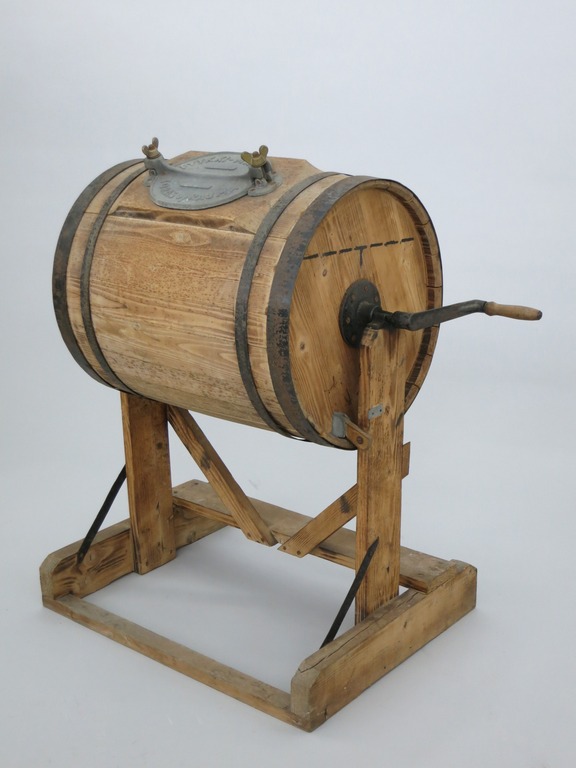
By Helsingin kaupunginmuseo, CC BY 4.0, https://commons.wikimedia.org/w/index.php?curid=92973248
History
1797: Nathaniel Briggs receives thefirst patentfor a clothes-washing device. Early 1800s: The “Ventilator,” a hand-cranked drum used over a fire, is used for drying. 1843: John E. Turnbull patents a washing machine featuring wringer rolls. 1851: James King patents the revolving drum model. 1850s:Steam-powered machines are introduced for commercial laundry. 1892: George T. Sampson patents an automatic dryer using heat from a stove. 1908: Alva J. Fisher introduces “Thor,” the first electric-powered washing machine. 1930s: J. Ross Moore patents the electric tumble-dry method. 1937: Bendix Home Appliances introduces the first automatic home washer. 1950s: Automatic washers and dryers become mainstream in middle-class homes. 1953: Bendix creates the first combo washer-dryer unit. 1978: The first microchip-controlled automatic washing machines are produced, introducing basic digital programming. 1981: Miele launches the first home washing machine with a high-speed spin cycle of 1,200 RPM to optimize extraction. 1980s: Manufacturers introduce built-in moisture sensors in dryers to stop cycles automatically and prevent over-drying. 1990s: High-Efficiency (HE) top-and-front loading washers debut, using up to 50% less water and energy. 1997: The US Department of Energy expands the ENERGY STAR program to certify highly resource-efficient clothes washers. 2001: Whirlpool introduces the first high-efficiency vertical-axis top-loading washing machine to the US mass market. 2000s:Steam washing technology enters the consumer market, enabling deeper stain removal and wrinkle reduction without chemical pre-treatments. 2007: Sanyo introduces the “Air Wash” system, utilizing generated ozone to sanitize dry-clean-only fabrics without water. 2010s: The rise of Smart Laundry introduces built-in Wi-Fi, smartphone control apps, and remote performance diagnostics. 2014: LG launches automated HomeChat systems, allowing users to text instructions directly to their washing machines. 2020s: Integrated Artificial Intelligence (AI) algorithms analyze clothing fabric weight and soil levels to optimize precise detergent dosage and water cycles in real time.
Types of Washers
Washing machines use friction to rub the dirt and grime off your clothes. The way that’s done can vary.
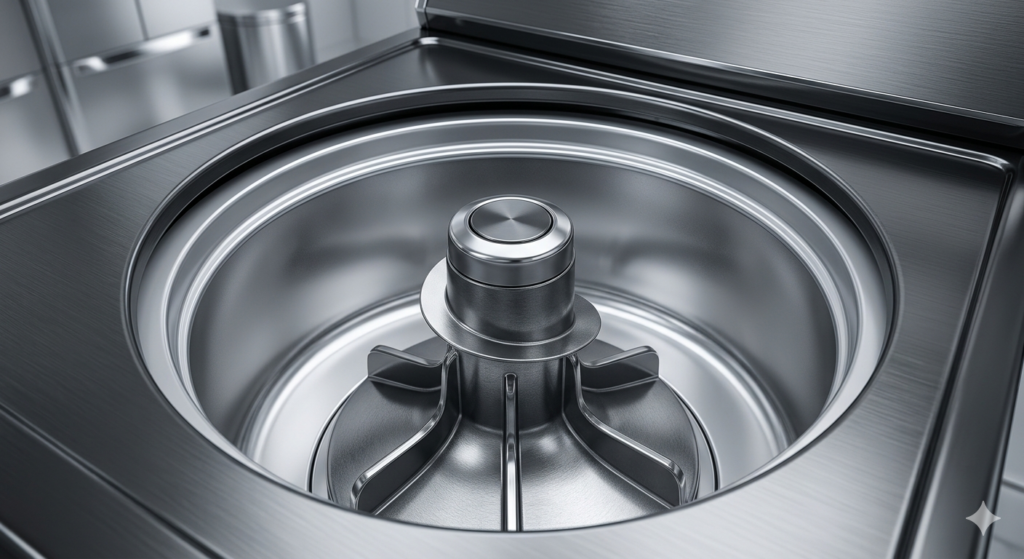
Top Loader With Agitator- The agitator is the tall piece in the middle. It catches the clothes, pulls them down with the fins, then releases them. Those clothes float back up, where they rub against the next clothes that are being pulled down by the agitator.
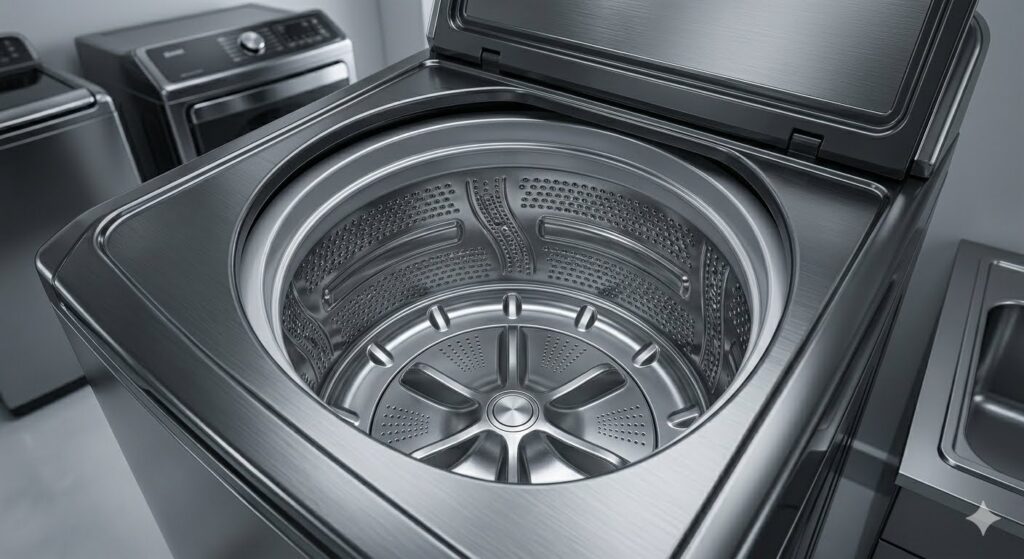
Top Loader with Impeller- An impeller uses gravity for friction. Water comes up out of the jets at the bottom while the impeller disc moves the clothes in a circle, causing a current. Because of this, the more larger the load, the better the machine works because the extra weight causes more friction.
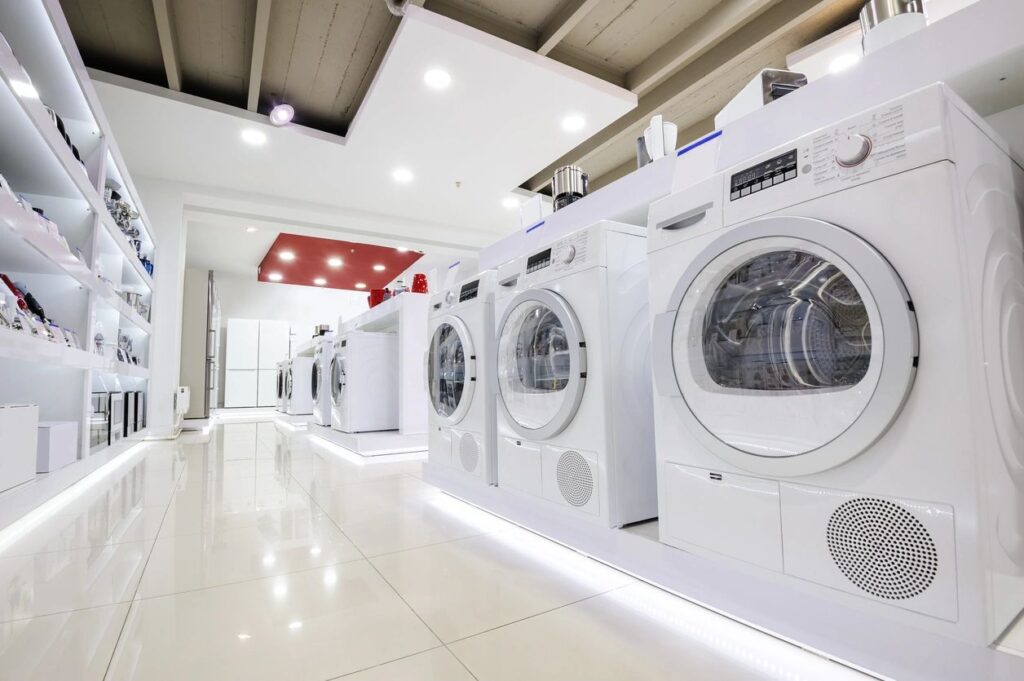
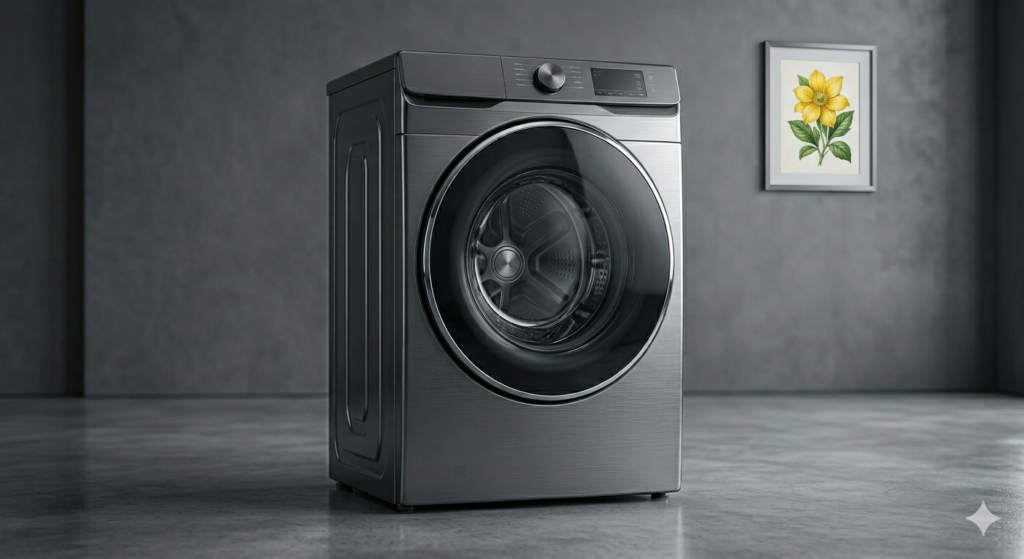
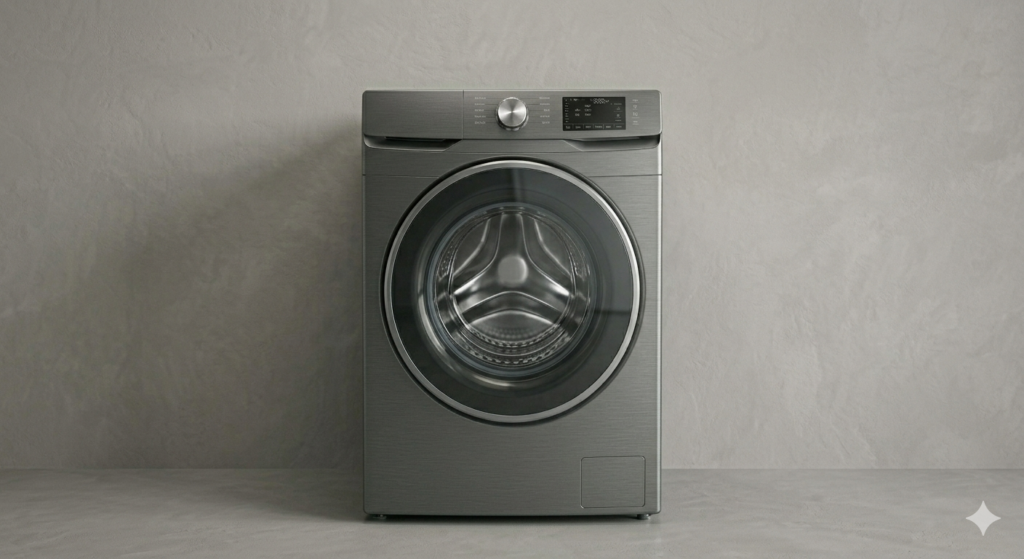
Front Loader- A front loader uses horizontal drums for friction, causing the clothes to rub against each other as it turns.
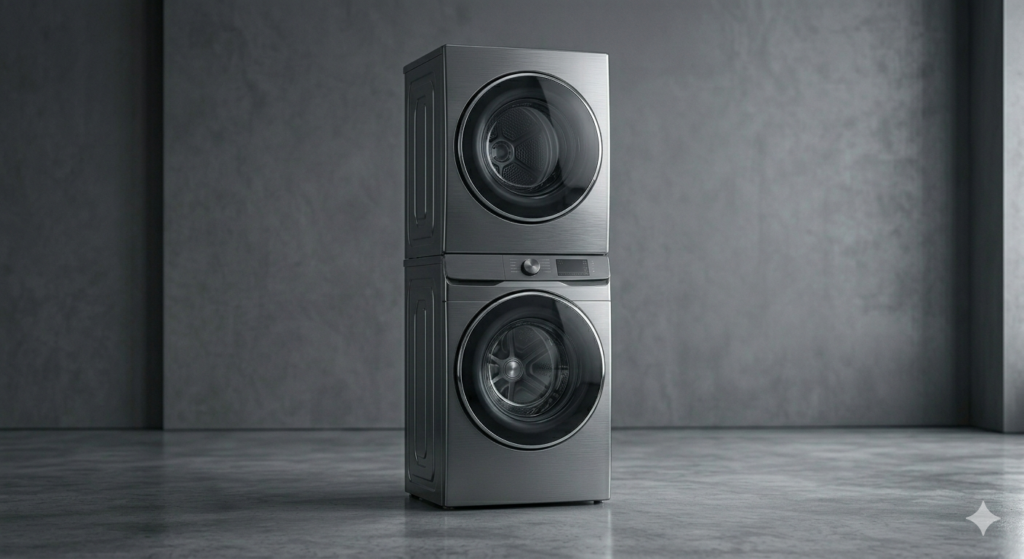
Stackables, Washtowers, and Laundry Centers– Stackables are just regular washer/dryer sets stacked vertically instead of horizontally. Washtowers are one piece front loader sets with an integrated control panel, as pictured here. Laundry Centers are the old school all-in-one units with agitator washers.
2 in 1 Combo Sets- Both the washer and dryer run in the same machine.
Which Washer Should I Choose?
Sizes
Type
Size
Load Size
King Size Comforter?
Top Load Agitator Washer
Smallest due to agitator
Any- agitators wash all loads the same
Difficult unless it has a removable or dual action agitator
Top Load Impeller Washer
Larger than agitator models
Medium to large
4.5 or higher.
Front Load Washer
Large
Small to medium- clothes need room for friction
4.2 or higher.
2 in 1 Combo
Largest
Small to medium- clothes need room for friction
4.7 and up (most models are larger)
Length of Cycles
Type
Washer Time
Dryer Time
Pros and Cons
Top Load Agitator Washer
45-60 mins
45-60 mins
PRO: Least expensive upfront & fast cycles. CON: Rough on fabrics & uses massive water volume.
PRO: High energy savings & best stain cleaning. CON: Expensive upfront & mold risk on door seals.
Standard 2-in-1 Combo Set
60 mins
120-180 mins
PRO: Ultimate space saver & no clothes transferring. CON: Extremely slow dry times (up to 3 hours). Some newer models are faster now.
Pricing
Type
Entry Level
Mid Level
Mass Premium
Top-Load Agitator Set
$1,125.00
$1,350.00
$1,700.00
Top-Load Impeller Set
$1,200.00
$1,450.00
$1,850.00
Front-Load Washer & Dryer Set
$1,400.00
$1,800.00
$2,400.00
All-in-One 2-in-1 Combo Unit
$1,350.00
$2,100.00
$2,650.00
Washing Machine Features
Entry Level
Feature
Explanation
Agnostic Temperature Dials
Independent plastic switches used to directly route specific incoming lines of hot or cold utility water without computerized monitoring.
Porcelain-Coated Tubs
Heavy steel wash drums dipped in ceramic porcelain glaze to create a smooth rust-resistant barrier that can chip if impacted.
Vented Evaporation
Traditional dryer exhaust systems that use heating elements and push hot moist air out of the home via a 4-inch pipe.
Fixed Suspension Rods
Standard metal springs and support struts designed to stabilize the wash tub without electronic auto-correcting balance sensors.
Timed Dry Options
Direct mechanical clock mechanisms that keep the heating element and dryer drum running for a manually selected duration.
Traditional Agitators
Full-length central plastic spiral columns that twist back and forth to physically push and scrub clothes through the water.
Single-Phase Direct AC Motors
Standard electrical drive motors that operate at one fixed speed and power level without electronic inverter regulation.
Middle Class
Feature
Explanation
Stainless Steel Drums
High-grade interior wash baskets that resist scratching
Electronic Inverter Motors
Variable-speed direct-drive motors that ramp power up or down smoothly to reduce noise and energy consumption.
Dynamic Load Sensing
Internal sensors that automatically calculate the physical weight of clothing to adjust water levels and cycle times.
Moisture Sensor Drying
Metal sensor bars in the dryer drum that read electrical resistance to shut down the machine the moment clothes are dry.
Wi-Fi Smart Connectivity
Wireless integration allowing users to remotely start cycles
Mass Premium
Feature
Explanation
Built-In Steam Cycle
An internal water heater that injects high-temperature steam into the wash to sanitize fabrics and break down stains.
Anti-Microbial Components
Microban or specialized rubber compound seals that prevent mold
Auto-Detergent Dispensers
Bulk storage reservoirs that hold up to a month’s worth of liquid detergent and automatically meter out precise milliliter doses.
AI Wash Programming
Built-in artificial intelligence that analyzes fabric softness and soil levels to dynamically alter agitation speed.
High G-Force Spin
Advanced horizontal extraction speeds exceeding 1300 RPM to pull maximum moisture out of fabrics before drying.
Heat Pump Drying
Eco-friendly ventless recycling tech that loops warm dry air through the drum without requiring external home wall ducting.
Types of Dryers
Electric
An electric dryer plugs into a large 240v outlet. An electric dryer is the cheapest upfront but most expensive to run.
Gas
A gas dryer plugs into a regular 120v outlet. There will also be a small inlet pipe for the gas connection in the back. A gas dryer is about $100 more expensive than a similar electric model, but it pays back within 2-3 years by heating up faster. Heating up faster means quicker drying times and less rendering of the garments, but having a gas connection brings in additional elements that can break. Contrary to most people’s perceptions, an electric dryer is more likely to catch on fire than a gas dryer.
Ventless
These have either condensers or heat pumps instead of vents. A dryer vent is like putting a leaf blower into a hole in your wall and blowing it for an hour. In addition to the power needed to keep it blowing, the hole and release of radiant heat cause the room to decompress significantly. This causes the laundry room to steal good air from other rooms while allowing bad air to seep in as well. In addition, the heat from the vent travels to other rooms via the metal in the walls. Ventless dryers can either have a drain hose or require having water dumped out after each use. They use 30% less energy than a gas dryer and have even bigger utility savings over an electric one. They’re also the safest with garments. However, they do take the longest to dry because they don’t reach high temperatures.
Dryer Features
Entry Level
Feature
Explanation
Timed Dry Dominance
Relies heavily on a manual clock timer. The machine runs for the exact minutes selected, regardless of whether clothes are already dry.
Basic Dial Controls
Uses mechanical rotary knobs and physical push-to-start buttons rather than electronic touchpads.
Aluminized Steel Drums
The interior drum is painted or coated steel. Over time, zippers and buttons can chip this paint, leading to minor rust spots.
Simple Lint Screen
A basic single-pane slide-out filter, usually located on the top right of the dryer cabinet.
Standard Vented Only
Strictly requires a traditional 4-inch wall vent to exhaust hot, moist air.
Middle Class
Feature
Explanation
Sensor Dry Technology
Features internal moisture bars that detect when clothes are dry, automatically shutting off the cycle early to prevent fabric scorching and save electricity.
Electronic Touch Controls
Sleek digital control panels with LED countdown displays and cycle progress lights.
Extended Tumble / Wrinkle Shield
Continues to tumble clothes without heat for 60 to 90 minutes after the cycle ends to prevent wrinkles from setting in if you forget to empty the load.
Powder-Coated or Stainless Drums
Durable interior finishes that resist chipping, scratching, and chemical discoloration from fabric softeners.
Steam Sanitize / Wrinkle Care
A dedicated water hookup allows the dryer to inject a fine mist of steam mid-cycle to refresh wrinkled clothes or sanitize bedding.
Mass Premium
Feature
Explanation
Ventless Heat Pump Technology
Closed-loop refrigeration loops that pull moisture out of clothes using up to 50% less energy, requiring zero outdoor ventilation pipes.
Wi-Fi Connectivity & Smart Diagnostics
Integrates with phone apps to send push notifications when a load finishes, download custom cycles, or troubleshoot issues remotely.
Advanced AI Cycle Pairing
The washer communicates directly with the dryer via Wi-Fi, automatically setting the optimal drying cycle based on the exact weight and fabric mix detected during the wash.
Premium Stainless Steel Drums
Ultra-smooth, high-grade stainless steel interiors that protect delicate silks and athletic gear from snags.
Multi-Stage Lint & Micro-Filter Closures
Fine-mesh locking baskets essential for ventless models that trap nearly 100% of airborne micro-fibers before they can reach internal components.
Reversible / Tempered Glass Doors
Heavy-duty, scratch-resistant glass windows that can be unbolted and flipped to open either left or right to match your specific laundry room layout.
Too long, didn’t read
Metric
Top Load Agitator
Top Load Impeller
Front Loader
The Tech
Uses a traditional central, spiral post to physically twist and rub clothes clean.
Replaces the tall central pole with a low-profile wash plate at the bottom that moves clothes via water currents.
Tumbles clothes sideways through a shallow pool of water, utilizing gravity instead of a mechanical rubbing action.
The Pro
Lowest upfront cost, fastest cycle times, and the most familiar mechanical interface.
Larger drum capacity for bulky bedding, gentler on clothes, and uses less water than agitator models.
Best overall stain removal, most gentle on delicate fabrics, lowest utility bills, and can be stacked to save floor space.
The Con
Harshest on fabrics, uses the most water and energy, and cannot be physically stacked with a dryer.
Cycles take longer, and items can occasionally become unbalanced during high-speed spin cycles.
Highest initial purchase price, longer wash cycles, and requires you to wipe down the rubber door gasket to prevent mold growth.
The Bottom Line
Buy for cheap, fast, heavy-duty cleaning.
Buy for large capacity and a mid-range budget.
Buy for maximum efficiency, fabric preservation, or a tight closet space.